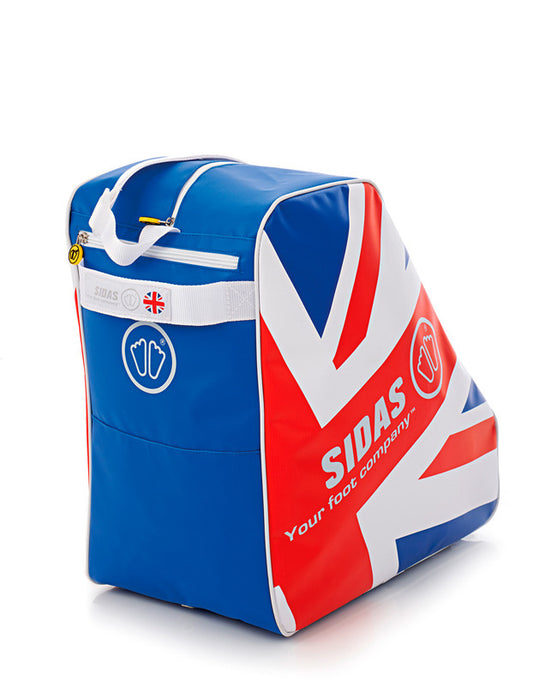


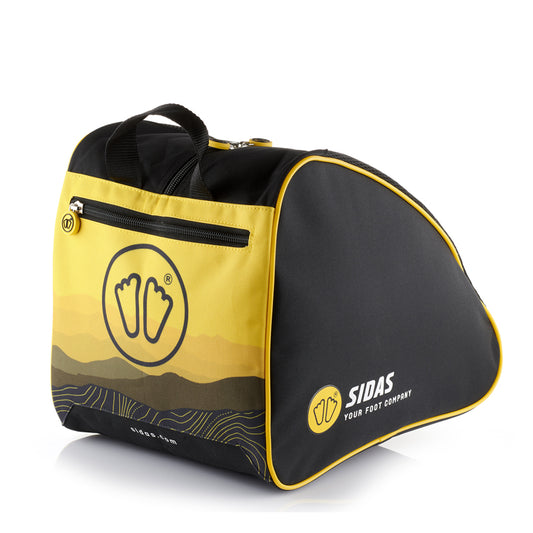
Why a shoe bag is an essential accessory
When you're carrying shoes — whether they're hiking boots, running shoes, trainers or sports shoes — putting them straight into a rucksack or travel bag often means mixing dirt, mud, moisture, odours and clothing. A shoe bag protects your belongings, prevents your clothes from getting dirty or damaged, and ensures better hygiene — especially after outdoor activities, training sessions or hikes.
A good shoe bag is not only practical for transport — it also helps to extend the life of your shoes: by isolating them from friction or hard objects in a bag, you avoid scratches, deformation or premature damage.
The advantages of Sidas shoe bags
- Separation & hygiene — Sidas shoe bags allow you to isolate your shoes (whether dirty, wet or worn) from the rest of your belongings: clothes, towels, equipment — ideal after hiking, skiing, trail running, going to the gym or travelling.
- Protection and preservation of shoe integrity — Sidas bags are resistant to water, dirt and the elements, and protect your shoes from impact or deformation during transport.
- Lightweight and compact — A shoe bag is lightweight, doesn't take up much space, and can be folded or slipped into a larger bag when not in use — handy to have on hand without taking up space.
- Versatile use — Whether you are a hiker, sports enthusiast, traveller or simply keen to keep your belongings clean, the bag has many uses — hiking boots, running shoes, city shoes, trainers, boots, etc.
-
Organisation & cleanliness of your sports/travel bag — By isolating your shoes, the bag prevents mud, water or odours from contaminating the contents of your main bag or clothing. Increased comfort, cleanliness and organisation.
Who are shoe bags for?
- Hikers, trekkers, skiers — who carry shoes after outdoor use (mud, snow, moisture).
- Athletes (running, trail running, gym, team sports, etc.) — to carry trainers or cleats, which are often dirty or wet after training.
- Travellers — to separate shoes and clothes in their luggage, avoid mixing dirt and keep their belongings clean.
- City dwellers or active workers — who may need a spare pair of shoes (work/city → sport/leisure) without dirtying their bag.
- Those who want to protect and extend the life of their shoes — by avoiding knocks, deformation or premature wear.
Expert advice & best practices
-
Clean and dry shoes before storing them — to prevent mould, odours or dirt transfer in the bag.
- Use a dedicated shoe bag rather than a plastic bag — a good nylon or technical fabric bag provides better protection, is water and abrasion resistant, and will last longer.
- Isolate dirty/wet shoes — after hiking, trail running or skiing, storing your shoes in the bag prevents them from dirtying the rest of your belongings.
-
Keep a foldable bag handy — compact, it slips easily into your rucksack: handy when travelling, going out or returning from sports.