









Why trail running insoles are essential
Trail running imposes much more varied constraints than simple road running: uneven ground, roots, stones, slopes, variations in terrain, changes in footing, technical descents, climbs. Without the right insoles, your footing can be unstable, your feet poorly supported, you can tire more quickly, comfort is reduced, and the risk of slipping or twisting your ankle is increased. Specialised trail insoles improve stability, balance, protection and responsiveness — so you can run longer, safer and more comfortably on any type of trail.
What SIDAS Trail insoles offer
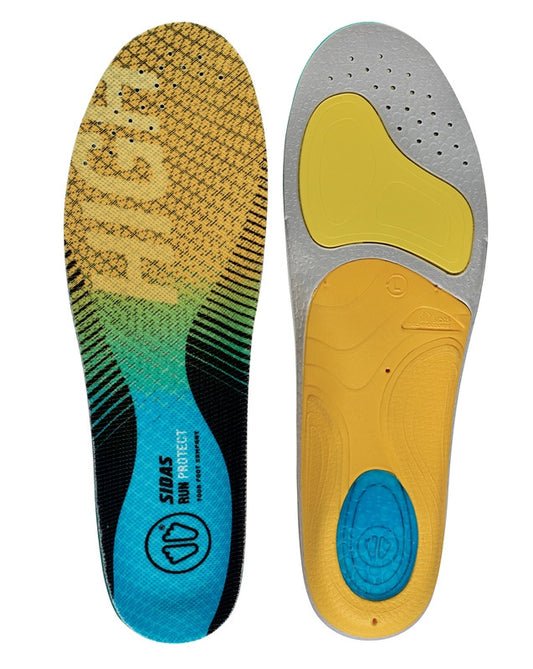
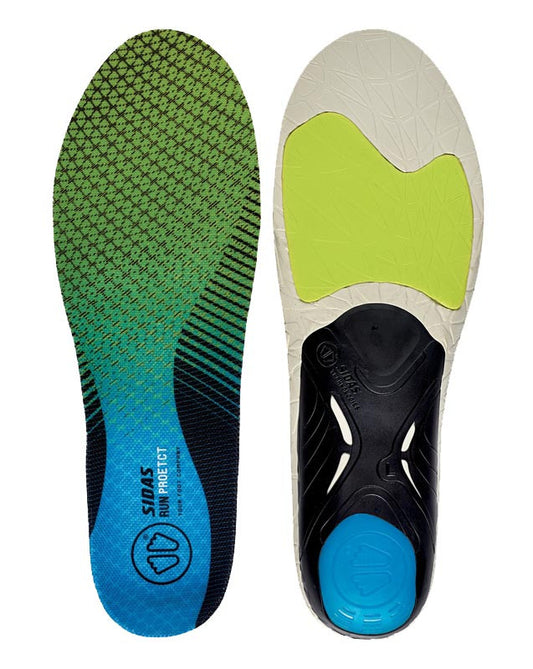
- Support, stability and control on uneven terrain — SIDAS trail insoles incorporate materials and shapes designed to support the foot, stabilise the arch, support the heel and prevent micro-movements in the shoe — improving balance on unstable ground.
- Foot-sole + sole-shoe grip — Thanks to a non-slip base and grippy materials, these insoles minimise internal foot slippage and promote good contact, which is essential for acceleration, changes in support, or descents.
- Cushioning, shock absorption and lasting comfort — On hard, stony or uneven terrain, cushioning and arch support protect the foot and joints and reduce muscle fatigue, allowing you to cover more kilometres in greater comfort.
- Dynamism & efficient propulsion — Some insoles are designed to promote natural foot roll and good rebound, even on trails, helping to maintain a smooth stride despite the technical nature of the terrain.
-
Breathability and reduced friction/blisters— With perforated foam or breathable materials, these insoles allow for good moisture wicking, limit internal friction and reduce the risk of blisters—a key point on long runs.
Who are trail insoles for?
- For regular or occasional trail runners — short trail runs, long distances, ultras, dynamic hikes.
- For those who use their shoes on varied terrain — forest, mountains, stony paths, mixed road + trail sections.
- For runners with sensitive feet — unstable range of motion, sensitive metatarsals, arch support, risk of blisters, long-term discomfort.
- For those looking for stability + comfort + performance — whether for competition, endurance, off-trail exploration or trail performance.
Expert advice & best practices
-
Remove the original insole before inserting the SIDAS insole — this avoids excess thickness, alteration of the fit, and guarantees good support.
-
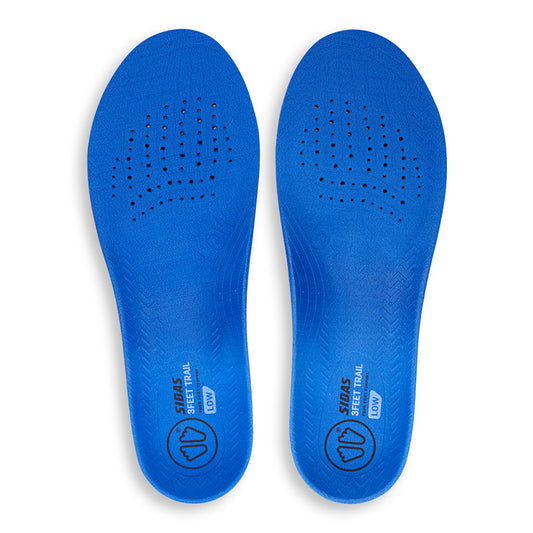
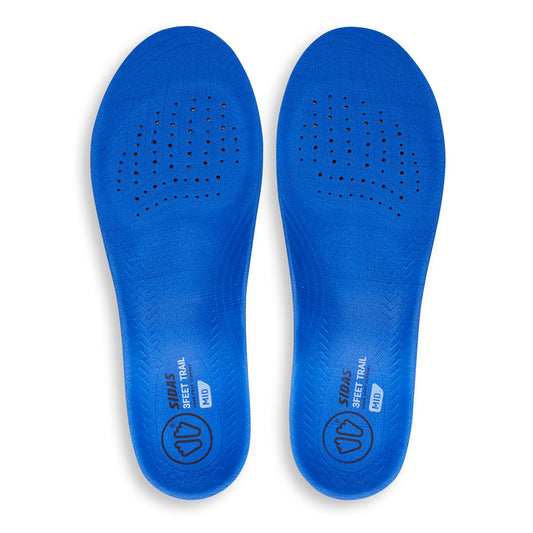
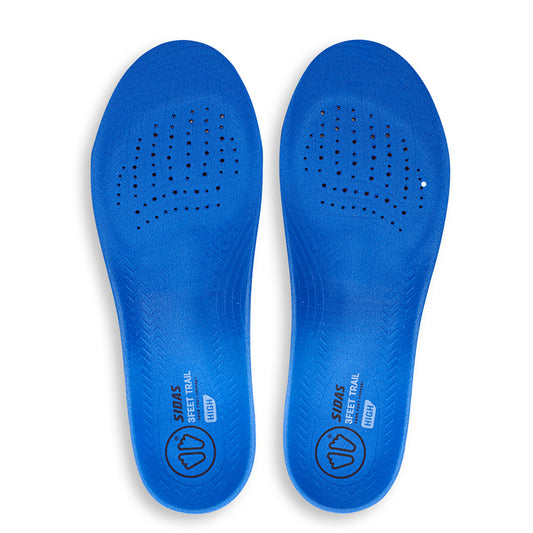
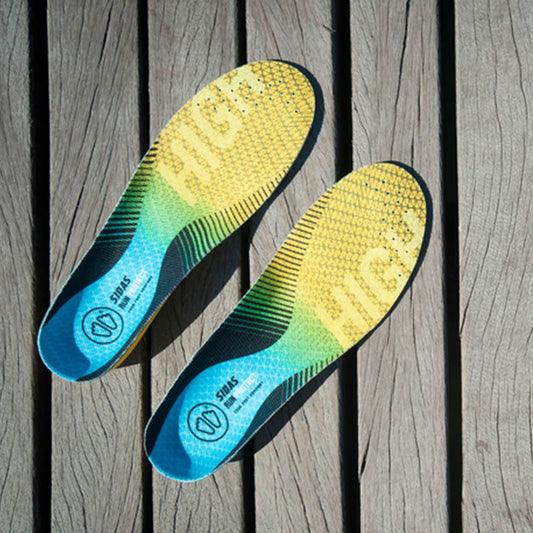
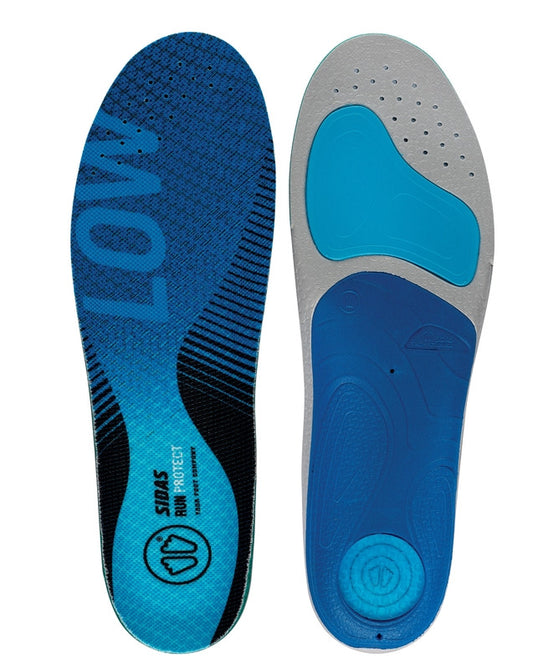
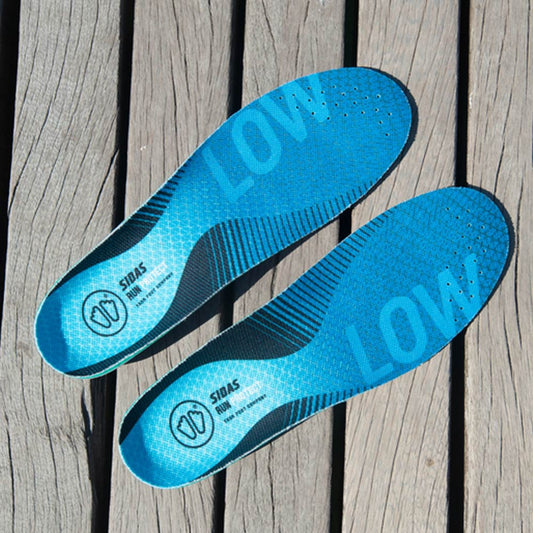
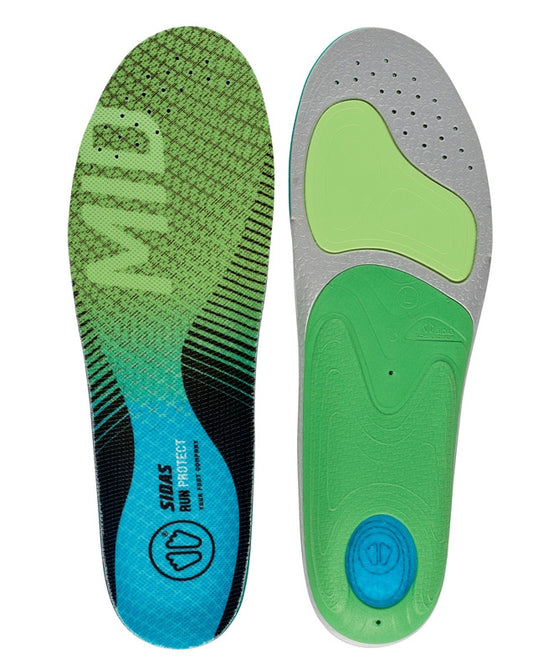
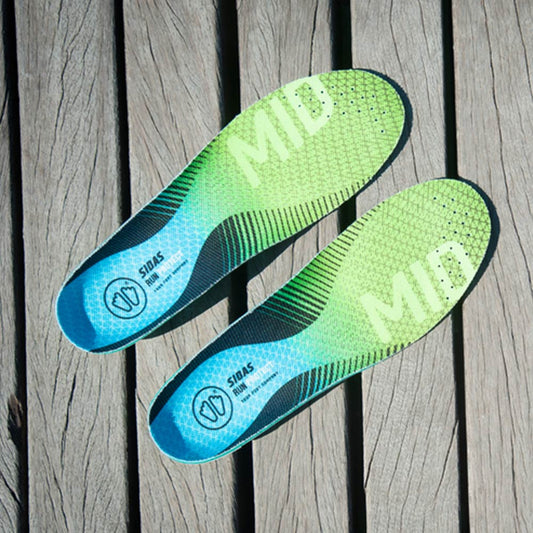
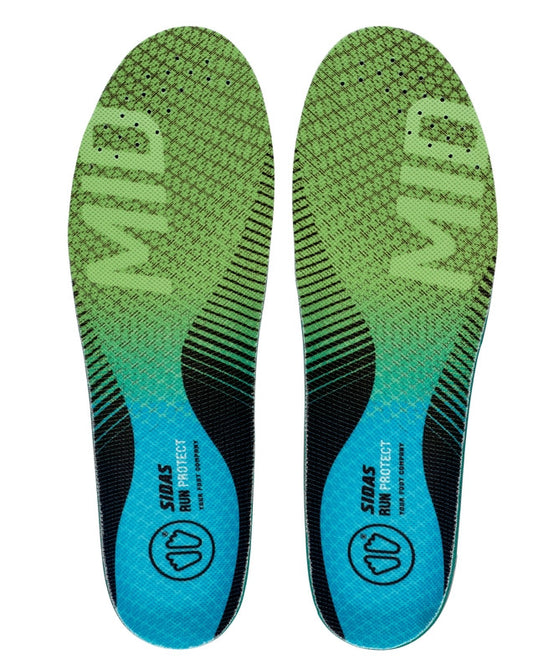
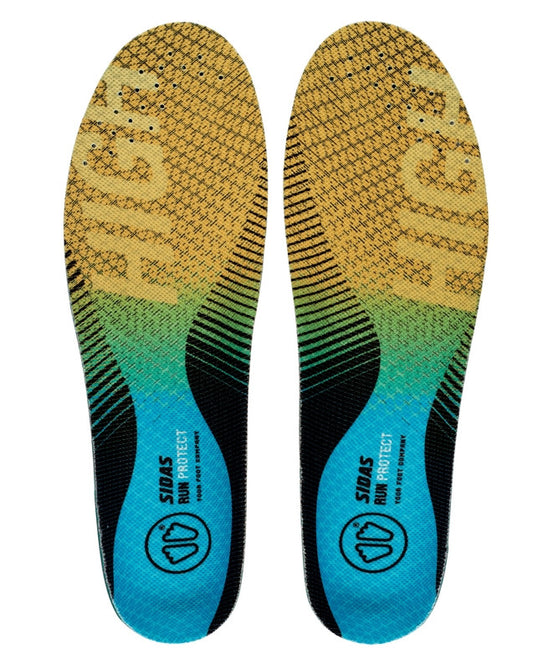
Choose the insole that suits the morphology of your foot (arch, pronation, width, etc.) to maximise support, comfort and efficiency. The 3Feet® Low / Mid / High models cover several profiles.
- Combine insoles + good shoes + technical socks—it is the combination of shoes/insoles/socks that guarantees comfort, protection, moisture wicking, support and traction.
- Test the insoles on short runs before using them on long distances — this allows you to evaluate comfort, support and fit and avoid unpleasant surprises.
- Take care of them: insoles can be washed with soapy water, dry thoroughly away from radiators, avoid overheating — to preserve cushioning, shape and durability.


